FREE CONSULTATIONS
713-526-5220

What's the Difference Between Judicial and Non-Judicial Foreclosure?
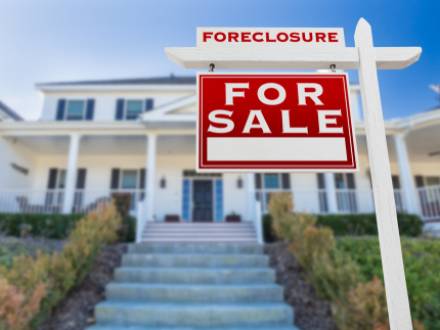 Foreclosure isn’t something anyone wants to face, but if you’ve fallen behind on your mortgage and can’t get caught up, it may realistically be in the cards. In this case, understanding what kind of foreclosure you may go through can help you know what to plan for. Thinking ahead can also help you understand if foreclosure is actually avoidable and develop a strategy for how you’re going to get back on your feet.
In 2026, many Texas homeowners are dealing with financial hardship and find it helpful to have expert advice in these difficult circumstances. A Conroe foreclosure lawyer is a great asset for strategizing your next move.
How Does Foreclosure Work in Texas?
Foreclosure is the legal process a lender uses to take back a property when a borrower stops making payments. In Texas, lenders can use one of two main types: judicial foreclosure or non-judicial foreclosure. Which applies to your situation depends largely on what your loan documents say.
Under federal law 12 C.F.R. § 1024.41., a lender generally can't begin the foreclosure process until you're more than 120 days past due on payments. This window gives you time to explore options like loan modification, forbearance, or repayment plans before things go further.
What Is Non-Judicial Foreclosure?
Non-judicial foreclosure is by far the most common type in Texas. It's sometimes called a "power of sale" foreclosure. In this process, the lender doesn't have to take you to court. Instead, if your deed of trust includes a power of sale clause (which most Texas home loans do), the lender can move forward with selling your property without a judge's involvement.
Here's how the process typically unfolds:
- The lender sends you a "written notice of default" by certified mail, giving you at least 20 days to catch up on payments before a sale notice can be issued (Tex. Prop. Code § 51.002(d)).
- If you don't resolve the default, the lender sends a notice of sale at least 21 days before the auction date.
- The sale is posted at the courthouse, filed with the county clerk, and published online.
- Your home is sold at public auction, typically on the first Tuesday of the month.
Because no court is involved, this process can happen quickly. Some non-judicial foreclosures can be completed in less than six weeks.
What Is Judicial Foreclosure?
Judicial foreclosure requires the lender to file a civil lawsuit against you before the property can be sold. A judge must issue a ruling before any sale can happen. This process takes longer and gives you more opportunity to respond and present a defense in court.
While judicial foreclosure is less common in Texas, it's required in certain situations, including:
- Home equity loans and home equity lines of credit
- Reverse mortgages
- Cases where the lender does not have a deed of trust with a power of sale clause
- Some property owners' association assessment liens
If a court rules in the lender's favor in a judicial foreclosure, it issues an Order of Sale, which directs a sheriff or constable to sell the property at auction.
One thing both types of foreclosure have in common is that they can have serious consequences for your credit and your financial future. Neither one, though, means you're out of options.
Can You Stop a Foreclosure Once It Starts?
In many cases, foreclosures can be stopped after they start. Texas law gives you the right to reinstate your loan by paying the past-due amount before the date of the sale. Besides reinstatement, there are other tools that may help, including negotiating directly with your lender, pursuing a loan modification, or filing for bankruptcy, which can trigger an automatic stay that immediately pauses foreclosure proceedings.
Every situation is different. Speaking to a lawyer with foreclosure experience can help you know what your best next steps are. The sooner you get help, the more options you're likely to have.
Call a Houston, TX Foreclosure Lawyer Today
At The Fealy Law Firm, PC, our lawyer is Board-Certified in Consumer Bankruptcy Law by The Texas Board of Legal Specialization. Attorney Fealy has helped thousands of people and businesses across Texas find real debt relief. We believe good people deserve a real chance to get their finances back on track. Call our Conroe foreclosure attorney at 713-526-5220 today to schedule your free consultation.






OFFICE
1235 North Loop W., Suite 1120
Houston, Texas 77008
CALL TODAY
713-526-5220


FOLLOW US


Results listed are not a guarantee or indication of future case results.
1235 North Loop W., Suite 1120
Houston, Texas 77008
713-526-5220